
 CART
CART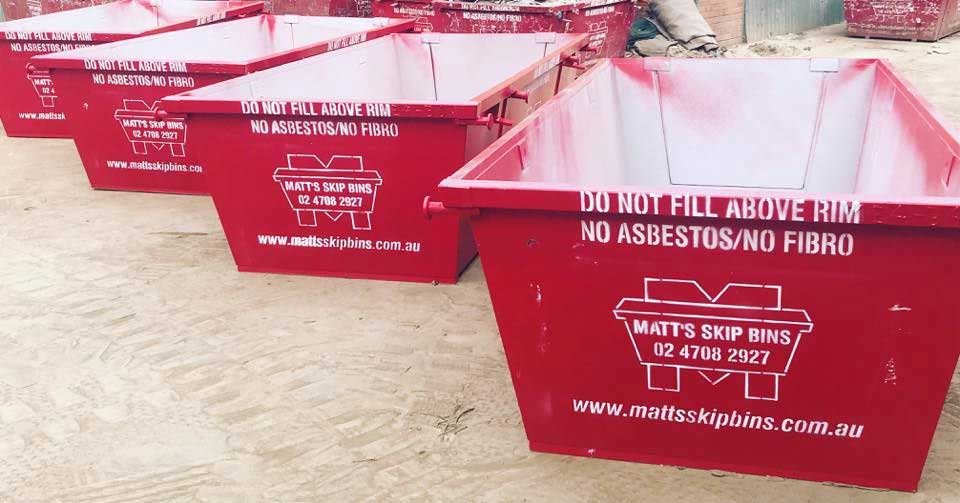

12 May • 7 min Read How Penrith Landlords Can Handle Waste Between Tenants
A tenant moves out, you walk in, and there are bin bags in the yard, a busted couch in the garage, and the garden looks like nobody has touched it in six months. Sound familiar?
For Penrith landlords and property managers, this is one of the most common headaches between tenancies. The rubbish needs to go before cleaners can start, before tradies can get in, and before you can even think about listing photos or open inspections. Every day it sits there is another day of lost rent.
The good news is that sorting it out does not need to be complicated. It comes down to knowing what you are dealing with, understanding your rubbish removal responsibilities, and picking the right disposal option for the job.
A Simple Step-by-Step Waste Plan for Penrith Landlords
Waste management during a tenant changeover does not need to be complicated. Whether you are a landlord handling one rental or a property manager overseeing several lease turnovers, this process stays roughly the same.
Inspect the Property Straight Away
Walk through the premises as soon as the tenant hands back the keys. Take photos, as they will serve as a reference point if a dispute arises over bond deductions or rubbish removal costs. Identify what is general rubbish and what may count as goods left behind, because this distinction is important under NSW law.
Sort Waste by Type Before Booking Anything
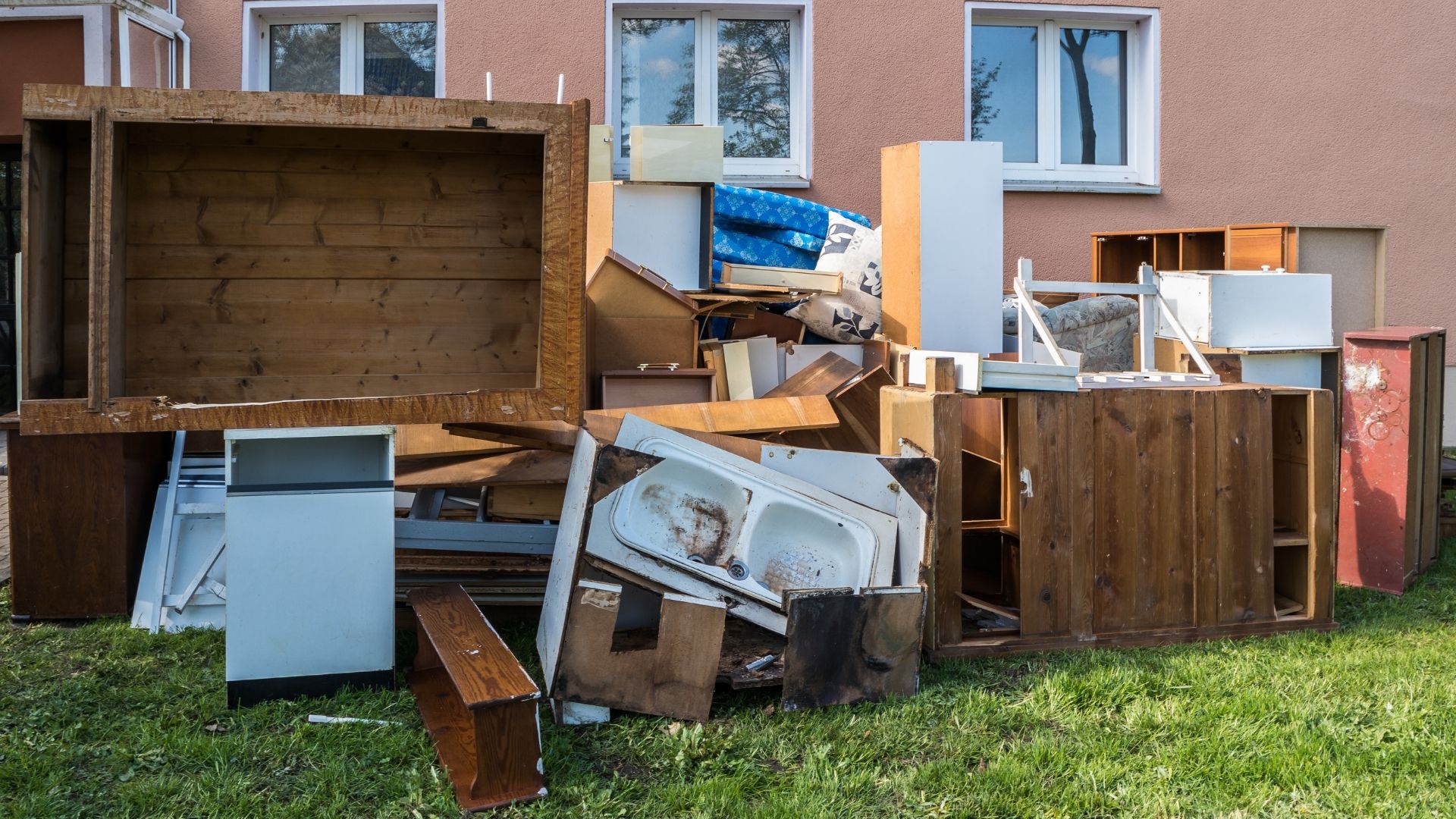
Proper waste management starts with sorting. Separate the rubbish into categories: general household waste, garden waste, mixed building waste, bulky waste like old furniture, and any problem waste that requires special handling.
Contaminated bins may lead to extra charges or removal by the local council, so sorting properly also helps you choose the right bin type when hiring a skip, since different waste categories go in different bins.
Decide Whether Council Collection or a Skip Bin Is the Better Fit
Local councils in Penrith provide regular waste collection services, including kerbside pickup, using three coloured bins: red for general rubbish, yellow for recycling, and green for garden waste through their FOGO service.
Penrith landlords and residents are entitled to four free bulky waste collections per calendar year, with each collection allowing up to two cubic metres of items. That is useful for small jobs, but it often falls short for a full rental turnover.
If the volume is large or you are working to a tight deadline, a skip bin is usually the faster and more cost-effective option.
Book the Right Bin Early
If you are hiring a skip bin, book before your cleaners and tradies arrive so the bin is in place and ready. Tight turnover windows mean every day of delay is another day of lost rent.
What Landlords in NSW Should Know Before Clearing Out a Property
Under the Residential Tenancies Act 2010, tenants are generally responsible for leaving the property empty and clean at the end of their lease. The lease agreement is the primary document that outlines the responsibilities of both the landlord and the tenant regarding rubbish removal, and many lease agreements include clear terms about the condition the premises must be left in.
However, what a tenant should do and what actually happens are often two different things. Landlords regularly end up paying for waste disposal services after a tenant vacates.
There is also a difference between general rubbish and goods left behind, and it is worth knowing where the line sits. If a tenant leaves behind items that could have value, you may need to give notice before you get rid of them. NSW law can be specific about this, and landlords who skip the process can end up in a dispute or facing claims from the tenant.
Rubbish removal responsibilities can also vary depending on the type of rental property. In some cases, particularly with multi-unit residential buildings, local laws or strata by-laws may place certain waste management obligations on the landlord, while tenants in single-family homes are more likely to be responsible for arranging and paying for their own rubbish removal. A detailed lease agreement should spell out who is responsible for costs and services.
Before you touch anything, photograph the lot. Every room, the garage, and even the yard. Check your lease agreements to know where you stand on costs and responsibilities. If things go sideways with a tenant later, those photos and records are what will back you up.
Why Waste Between Tenants Becomes Expensive Fast

Vacancy costs add up quickly on rental properties. Every week a property sits empty is a week of lost rent, and rubbish left behind by a tenant is one of the most common reasons turnovers drag on.
Landlords in Penrith typically deal with old furniture dumped in the garage, bags of mixed household waste in the yard, garden waste that has been ignored for months, and general rubbish scattered through the premises. Cleaners cannot start until waste is cleared, tradies cannot access the premises, and the costs of vacancy keep climbing while you wait.
Trying to handle rubbish removal with last-minute tip runs often costs more than booking proper rubbish removal services from the start.
Council Collection or Skip Bin: What Works Best in Penrith?
Both options have their place, but your correct choice depends on your circumstances.
Council bulky waste collection is for when you only have a small number of large items, and the timing is flexible. It is a free service that suits single-family homes with minor clean-up.
A skip bin makes more sense when the landlord is dealing with a higher volume of waste, a tight re-letting deadline, or a full property reset between tenants. You choose the waste type that matches your job, book a size that fits, and the bin gets picked up on your schedule.
For landlords managing multiple rental properties or handling regular tenant turnovers, skip bin hire is the more practical rubbish removal service because it removes the guesswork. Factoring rubbish removal services into your lease terms or tenant turnover budget helps the landlord control costs and keeps the process predictable.
What Size Skip Bin Suits a Rental Property Clean-Up?
Choosing the right bin size saves you from paying for space you do not need or running out of room halfway through the job.
| Bin Size | Best For | Typical Landlord Scenario |
| 2m³ | Light clean-ups | Bagged rubbish, minor decluttering, small amount of household waste left behind |
| 3m³ to 4m³ | Moderate clean-outs | A couple of rooms’ worth of rubbish and some old furniture |
| 6m³ | Thorough move-out clean-up | Clearing the house, yard and garage after a long tenancy |
| 8m³ to 10m³ | Heavy or large-scale clear-outs | Post-damage work, major garden waste, full property reset before re-letting |
Matt’s Skip Bins offer sizes from 2m³ right through to 10m³, so there is a bin for most landlord situations.
What Can and Can’t Go in a Skip Bin?
Getting the waste type right when you book avoids extra charges and delays. Matt’s Skip Bins offer different bin types depending on what you are throwing out:
- General waste accepts household items such as furniture, appliances, clothes, and cardboard. Does not accept soil, bricks or large green waste.
- Green waste handles garden and yard waste, such as branches, grass clippings, and shrub trimmings.
- Mixed building waste covers renovation and construction debris.
Some items cannot go in any standard bin, including:
- Hazardous waste and asbestos
- Liquids, paints and chemicals
- Gas bottles and fire extinguishers
- Food waste
Spring mattresses and tyres may be accepted for a separate fee, so check when booking.
For anything hazardous, the Penrith Community Recycling Centre accepts household quantities of certain materials for free. Landlords can use this for old paint, batteries or chemicals that cannot go in a skip bin or the regular waste collection.
It is also worth including waste-disposal guidelines in your lease agreements and informing tenants about recycling and proper disposal at the start of a lease. It can help reduce contamination issues and waste-related disputes down the track.
Common Mistakes Landlords Make During Tenant Changeovers
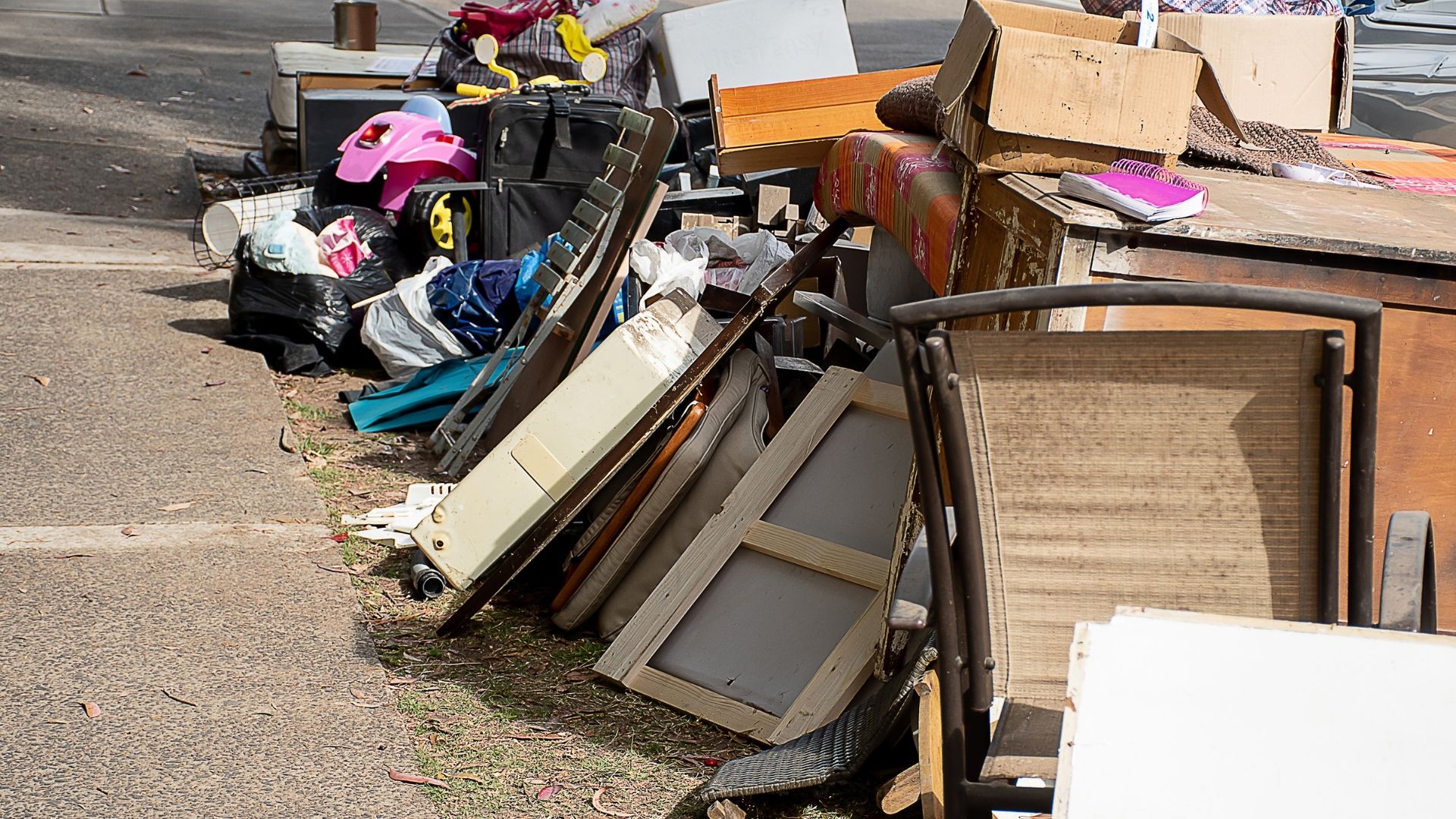
Rushing the process or cutting corners on waste management creates problems that cost a landlord more to fix later. These are the ones that come up most often.
Sitting on it too long. Every day you wait to arrange rubbish removal after the tenant vacates pushes back your re-letting timeline and adds to vacancy costs.
Mixing waste types in the wrong bin. This can lead to contamination charges or enforcement action from the local council. Choose the right bin type when you book.
Underestimating bin size. Getting a bin that is too small means paying for a second collection. If in doubt, go one size up.
Relying on council collection for a tight turnaround. Bulky waste bookings can take time, and you may not be able to control the pickup date. If the deadline is tight, a skip bin gives you more control.
Treating everything as simple rubbish. Some items may be considered goods left behind under NSW law, and skipping the proper process can lead to disputes, non-compliance issues, or fines.
Not photographing the premises before you start. Without evidence, disputes between landlord and tenant about bond, costs and responsibilities are much harder to resolve.
Get Your Rental Property Turned Around Faster
Managing waste between tenants is crucial for keeping vacancy costs down and your property presentable. It comes down to acting fast, sorting waste properly, and choosing the right rubbish removal service for the job. For Penrith landlords dealing with a tight turnaround, a skip bin takes the stress out of waste disposal and keeps your re-letting timeline on track. Matt’s Skip Bins also operate a recycling facility in Penrith, sorting and recovering materials so that as much waste as possible stays out of landfill.
Book a Penrith skip bin online or call Matt’s Skip Bins for help choosing the right bin for your tenant clean-up.
Frequently Asked Questions
What size skip bin do I need for a rental clean-up in Penrith?
For most rental turnovers, a 3m³ to 6m³ bin covers the job. If the tenant left a large volume of rubbish or you need a full property reset, 6m³ or larger is a safer bet.
Can I put old furniture and general household rubbish in one bin?
Yes, a general waste skip bin accepts household items like furniture, appliances, cardboard and general rubbish. Just keep out hazardous waste, liquids, soil and restricted items.
What if a tenant leaves goods behind?
Under NSW law, you may need to follow a specific process before disposing of goods left behind. Keep records and take photos. If a dispute arises, your lease agreement and photographic evidence are crucial. Mediation services through Fair Trading are available if parties cannot agree.
How quickly should I organise waste removal between tenants?
As soon as possible. Arrange rubbish removal before your cleaners and tradies arrive so the premises are clear and ready. Including rubbish removal responsibilities and waste disposal costs in your lease agreements makes the process smoother for both landlord and tenant.

