
 CART
CART
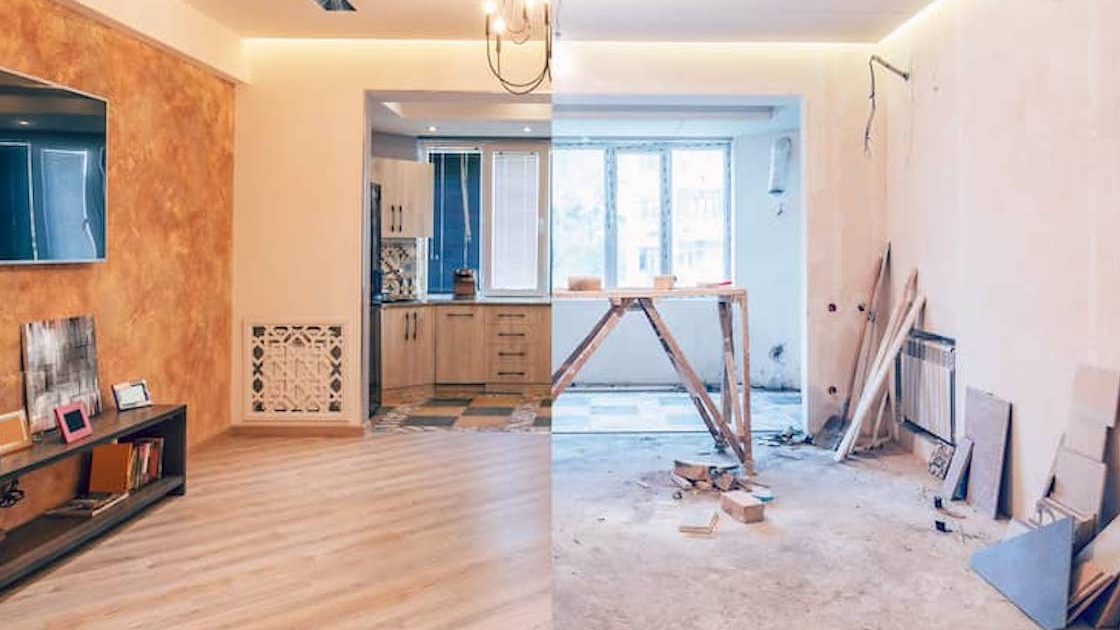
Every home renovation project comes with a fair amount of waste. Old tiles, broken furniture, timber offcuts, and general household rubbish can pile up fast, and many homeowners underestimate just how much waste a renovation actually generates until the mess is already piling up in the yard.
Without a proper plan for waste disposal, your renovation site can quickly become unsafe and disorganised. By having the right skip bin on-site from day one, you can simplify waste disposal and keep your renovation moving without interruption.
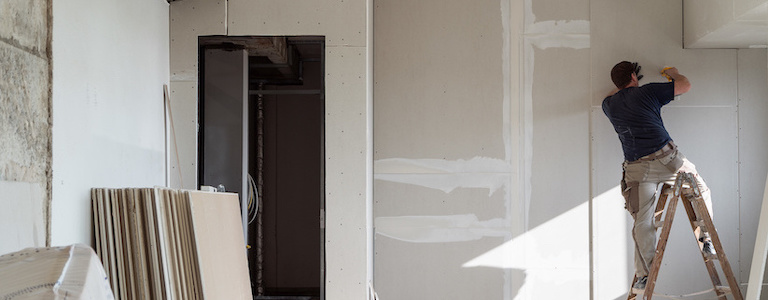
Why Use Skip Bins for Home Renovations
Hiring a skip bin is one of the most practical decisions you can make for any renovation project, big or small. Rather than making multiple trips to the tip with a trailer full of waste, a skip bin gives you a designated place to dispose of everything as it’s generated. For Sydney homeowners juggling a renovation alongside work and family life, that convenience alone is often reason enough to book a skip bin service rather than handling rubbish removal yourself.
It’s also (most of the time) a more cost-effective option. Skip bin hire can save time and fuel costs compared to self-disposal, since multiple tip runs add up quickly when you factor in fuel, time off the tools, and tip fees per load. Hiring a skip bin typically includes delivery, pickup, and disposal, making it a cost-effective solution for larger projects where the waste would otherwise require several trips to the recycling centre or local tip.
Beyond cost, skip bins keep renovation sites organised and safe. A cluttered site with loose debris and sharp objects creates safety hazards for anyone working on it. Skip bins reduce those risks by keeping waste contained in one place, which means a cleaner site and a renovation that can progress more efficiently.
There’s also an environmental responsibility side to it. Reputable skip bin providers aim to divert waste from landfill wherever possible, sorting recyclable materials like bricks, timber, and metal so they don’t all end up buried. Choosing a waste management company that takes this seriously means your renovation has a smaller environmental impact overall.
Skip Bin Sizes for Every Renovation
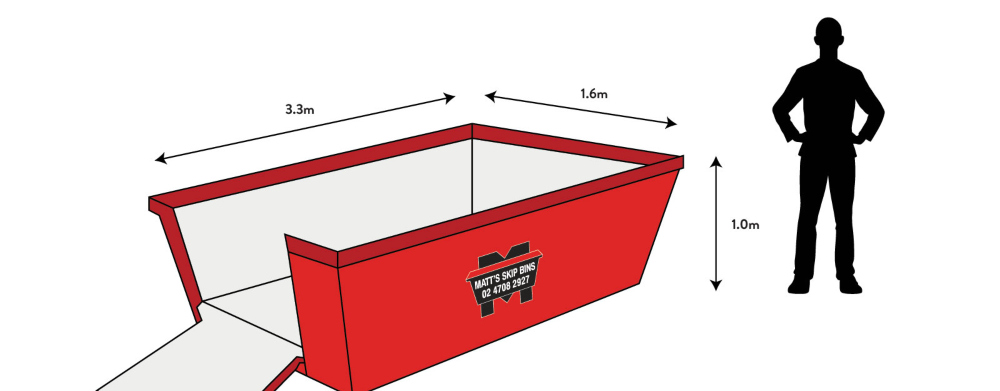
Not every renovation produces the same amount of waste, which is why choosing the right skip bin size matters. Selecting the correct size prevents overfilling and the additional costs that come with it.
- 2 cubic metres: Suited to small household clean-ups or a single room like a bathroom refresh
- 3-4 cubic metres: General household rubbish from a bathroom renovation or small-scale project
- 6 cubic metres: A good fit for kitchen renovations or projects spanning multiple rooms
- 8-9 cubic metres: Larger renovations, combined kitchen and bathroom jobs, or heavier construction debris
- 10-12 cubic metres: Ideal for large projects across an entire property, including substantial waste from whole-house renovations
If you’re not sure which skip bin size suits your renovation project, get in touch, and we’ll help you work out the right skip based on your waste types, bulky items, and the scale of the job.
What Can and Can’t Go in Your Skip Bin
Most general waste from a renovation is fine to go in, including broken tiles, timber, bricks, old furniture, and general household rubbish. Builders skip bins and concrete skip bins are designed to handle heavier construction waste like bricks and rubble, while green waste skip bins are better suited to garden waste such as branches and grass clippings from landscaping projects.
If your renovation includes a clean-out alongside the build itself, a skip bin makes quick work of bulky items that would otherwise mean multiple tip runs on their own.
Some hazardous materials can never go into a skip bin of any kind. If you want the full breakdown of exactly what can and can’t go in during a renovation, including how to handle specific waste types like insulation and old fixtures, our renovation waste guide covers it in detail.
Asbestos and Hazardous Waste During Renovations
Many older Sydney homes were built using materials containing asbestos, and it’s one of the most important things to check for before starting any renovation project. Asbestos can’t go in with your general waste or mixed building waste bin, it needs to be kept completely separate. If your renovation is likely to involve asbestos, we provide specialist asbestos-only bins for exactly this purpose. Just let us know upfront so we can arrange the right bin alongside your general waste bin if you need both.
How Long Can You Hire a Skip Bin For
Hire periods depend on what you’re using the bin for. General household clean-ups come with a 5-day hire, while building and renovation waste gets up to 14 days. If you finish early or need a bit more time, just give us a call before your collection date, and we’ll sort out an extension or an earlier pickup.
What Affects the Cost of Your Skip Bin Hire
Bin size is the big one when it comes to price. Get the size right from the start, and you won’t end up paying for a second bin later because the first one filled up.
Heavier stuff costs more too, think construction debris versus just general household waste. A couple of things carry extra fees regardless of bin size, mattresses and tyres mainly, since they can’t just be dumped in with everything else.
How Long Can You Hire a Skip Bin For
Hire periods are flexible enough to suit most renovation timelines, and if your project runs longer than expected, extending your hire is straightforward. Just get in touch, and we’ll sort out the extra time you need, whether you’re partway through a bathroom refresh or a renovation spanning multiple rooms.
Booking and Delivery
Booking a skip bin with Matt’s Skip Bins is simple. Let us know your renovation type and an estimate of your waste types and volume, and we’ll recommend the right skip bin for the job. We’ll arrange delivery to your renovation site at a time that works for you, and once you’re finished, we’ll come and collect it; no need to arrange rubbish removal yourself.
Ready to Book Your Skip Bin?
Whatever stage your renovation is at, having the right skip bin on-site takes one less thing off your plate. From choosing the correct size to sorting your waste types and arranging delivery, Matt’s Skip Bins takes care of the details so you can focus on the renovation itself. Get in touch today to book your skip bin and keep your project running smoothly from start to finish.
Frequently Asked Questions
Why are skip bins called skip bins?
The name comes from the UK term “skip,” which refers to a large open container originally used to transport goods before becoming associated with waste removal. The name stuck and is now used across Australia for the same style of bin.
What items cannot go into a skip bin?
Hazardous materials such as asbestos, liquids like paint and chemicals, gas bottles, and putrescible waste like food scraps cannot go into a skip bin of any kind. See our full waste types guide for a complete list.
How long can you hire a skip bin for?
Standard hire periods are designed to comfortably cover most renovation projects. If you need more time, just let us know, and we can extend your hire so you’re not rushed to finish up.

