
 CART
CART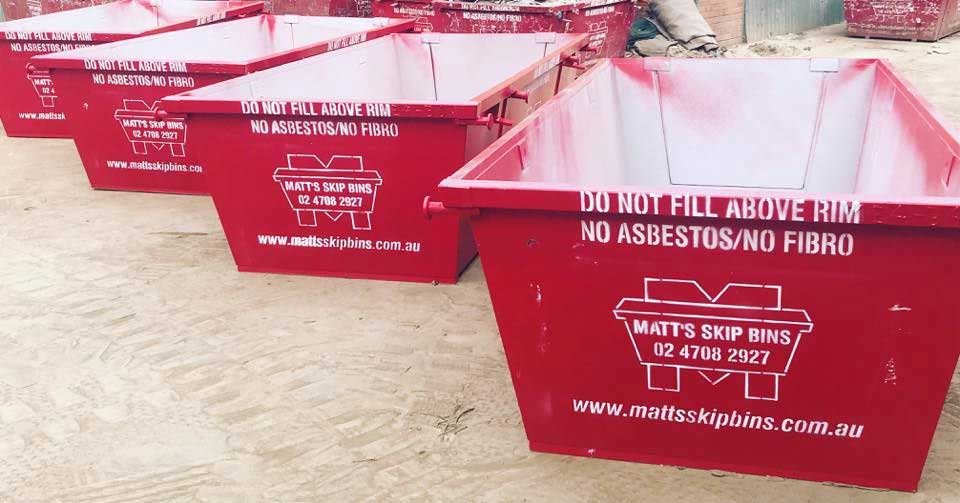
02 Apr • 3 min Read Local Councils and Waste Management in Australia
Local, state and federal government initiatives play a big part in forming our attitudes toward waste management. From recycling campaigns to developing waste management infrastructure, government plays a defining role in what happens to our rubbish. Keep reading to get yourself up to date on what’s happening with waste in your community and around the country.

Accountability
Both state and federal governments are pushing for businesses to be more accountable for their waste production and management. We are all becoming more aware of the importance of reducing carbon emissions and rubbish in landfill, spurred on by media programs such as the War on Waste, which was featured on the ABC in 2017. The combination of government and public pressure will hopefully result in even more accountability from businesses when it comes to their impact on the environment.
Waste reporting requirements and landfill levies are now part of doing business in many industries. Companies that produce large amounts of waste are expected to track it, report on it and pay more to send it to landfill, which gives them a real incentive to reduce, reuse and recycle wherever they can.
Grass Roots Campaigns
Local community groups and councils across the country have started implementing programs such as community gardens, recycling, and education initiatives to encourage us to think more about our waste consumption. More information is available than ever before, and locals are being encouraged to commit to recycling where possible to make it second nature for generations to come.
Your local council can also be a great source of practical help at home. Many councils share information on composting, worm farms and biodegradable bin bags, and some offer discounted compost bins or worm farms to residents. Check your council’s website to see what’s on offer in your area.
Better Recycling Facilities
Recycling infrastructure across Australia has been upgraded in recent years, with many facilities increasing how much material they can process. Recycling centres have also become more visible in the community, with many running educational programs for schools, families and local groups. The more people understand what happens to their recycling after it leaves the kerb, the more likely they are to sort it properly in the first place.
Kerbside Bins
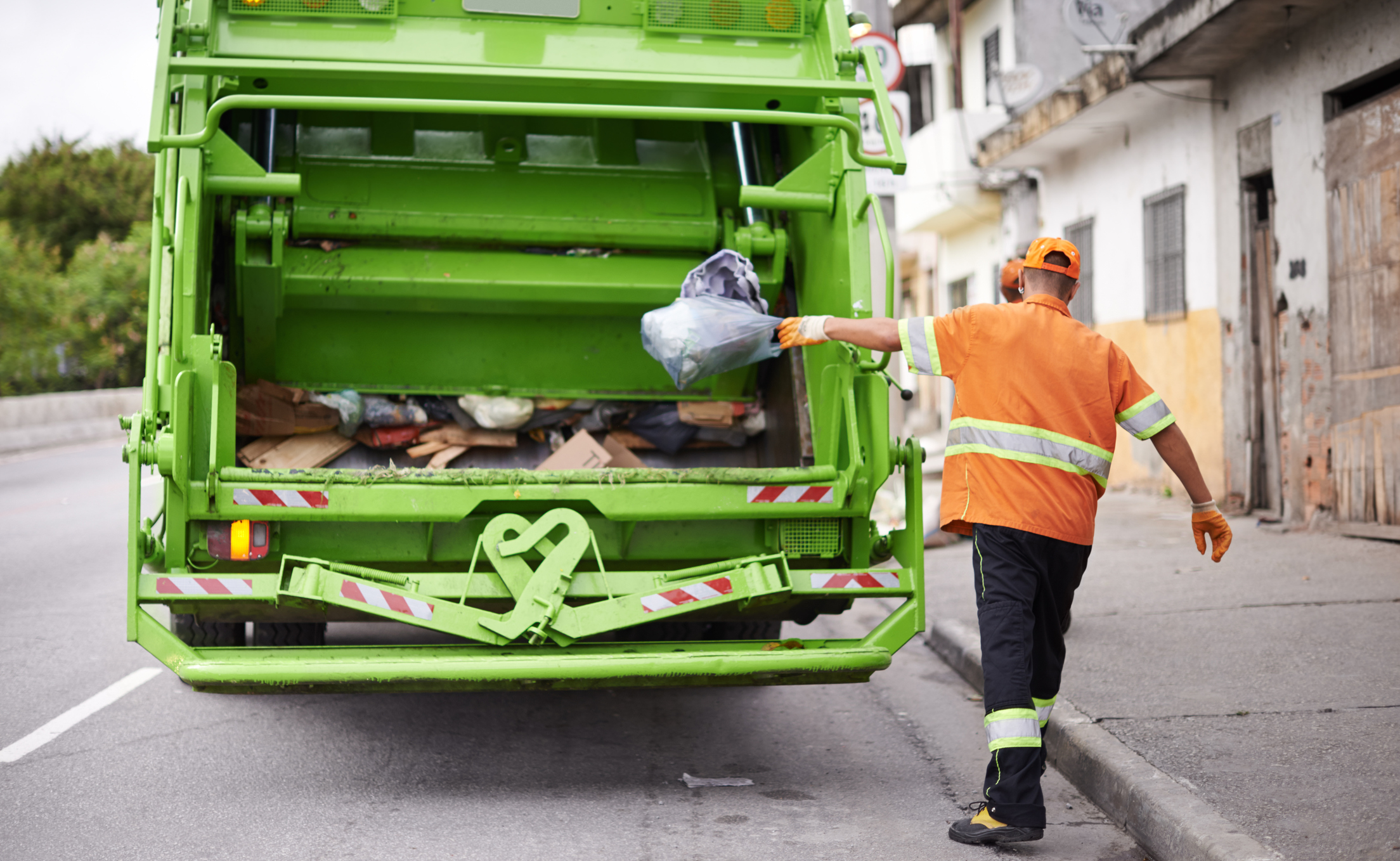
Each local government has a different kerbside bin system, so it’s important to learn what your community uses. For example, Penrith City Council in Western Sydney has a 3-bin service for most homes, including a bin for organic waste, recycling and residual garbage. In recent years many areas have decreased the size of residual garbage bins in an effort to encourage people to recycle more.
Some councils have gone a step further and introduced a separate bin for food and garden organics, so kitchen scraps can be composted rather than sent to landfill. Councils often use the compost in parks and gardens. If your council doesn’t offer this service yet, you can contact them to ask about it. Councils do listen to residents, and the more people who ask, the more likely it is to happen.
On-Call Clean-Ups
Many councils offer hard rubbish collection or on-call clean-ups free of charge at least once or twice a year. Visit your local council’s website to find the right information for your area. In the Penrith area in Western Sydney, residents can book special waste removal for bulky items 4 times a year. However, there is often a waiting period of 2 to 4 weeks, and even longer during school holidays. If you need more immediate service, consider hiring a local company for skip bins in Blacktown.
Stricter Penalties for Illegal Dumping
Councils and state governments are cracking down on irresponsible waste disposal. Dumping hard rubbish, burning waste, overloading public bins and littering can all attract hefty fines. The aim is to push people towards proper disposal methods, and the responsibility sits with each of us to do the right thing.
If you’ve got household items that won’t fit in your kerbside bin and a trip to the tip isn’t practical, hiring a skip bin is an easy way to get rid of it legally and responsibly.
At Matt’s Skip Bins in Western Sydney, we’re dedicated to working with our local, state and federal governments to continue improving our waste management methods. That’s why we’re committed to proper procedures for recycling, green waste and residual rubbish. If you need help with managing waste from a home or office clean-up or renovation, give us a call. We can recommend the best and most socially responsible way of dealing with your rubbish.
Do You Need a Skip Bin?
Before you book, take a quick look through what you want to get rid of. Many people overestimate how much waste they have, and sorting it first helps you choose the right bin size so you’re not paying for space you don’t need. When you’re ready, you can book a bin online or give us a call on 02 4708 2927, and we’ll help you work out the best option.

