

 CART
CART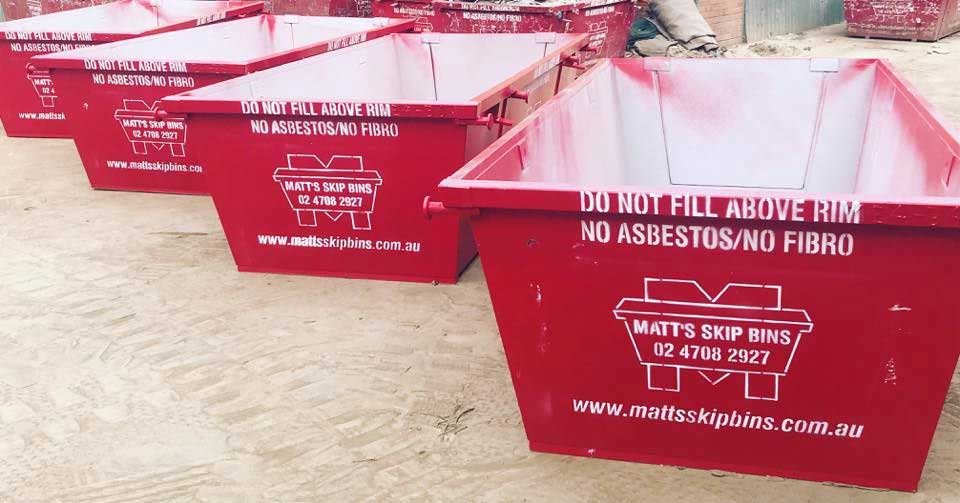
18 Jun • 8 min Read What to Do With Storm Debris in Penrith
Storms across Penrith and Western Sydney can leave behind far more than scattered leaves. After severe weather, homes end up with fallen trees blocking driveways, branches piled across yards, broken fencing, loose items across lawns, and damaged outdoor furniture.
How you handle it depends on what the storm left behind and how much of it there is. For example, small amounts of clean garden waste can usually go in your household green bin, but larger piles, mixed debris, or heavy loads like bricks, concrete, and soil are better suited to a skip bin or a recycling depot drop-off. Hazardous materials such as asbestos, fibro, chemicals, paint and gas bottles always need specialist handling and should never go in standard bins.
Most of it comes down to knowing what goes where, and Penrith has a few different disposal options depending on what you are working with.
Start With Safety Before Clearing Storm Damage
Check the site for any potential hazards before you pick up a single branch. Storms can leave behind dangers that are not always obvious at first.
Walk the site and look for fallen power lines, unstable trees, broken glass, sharp objects, and structural damage to sheds or roofing. If a tree is resting on power lines, do not attempt to move it; stay at least 8 metres away and report the damage immediately.
The NSW SES advises residents to call 132 500 for assistance with storms and floods, or 000 in a life-threatening emergency. Prioritising safety is crucial when loading or moving anything after storms. Make sure you wear sturdy gloves, enclosed shoes, long sleeves and eye protection while doing so.
Property owners are responsible for safely managing and clearing debris within their property lines. If storms have brought down trees on roads, report it so the process can proceed. Local emergency resources are available when the situation is beyond what you can handle safely.
Sort Materials Before You Choose a Disposal Option
The clean-up process after storms goes smoothly when you separate materials first. Mixing waste types can raise costs or result in your load being rejected at the time of collection.
Clean Green Waste
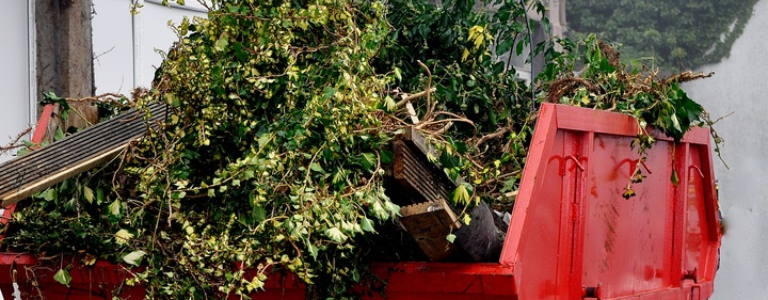
Green waste covers your standard garden material: leaves, grass clippings, twigs, small branches, prunings and other garden vegetation. It must stay clean, with no soil, rocks, treated timber or other waste mixed in. Branches should be bundled and tied with natural twine, and loose vegetation should be packed into cardboard boxes or bags for collection. Soil, rocks, treated wood, palm trunks and larger stumps are not considered standard green waste.
Heavy Garden Waste
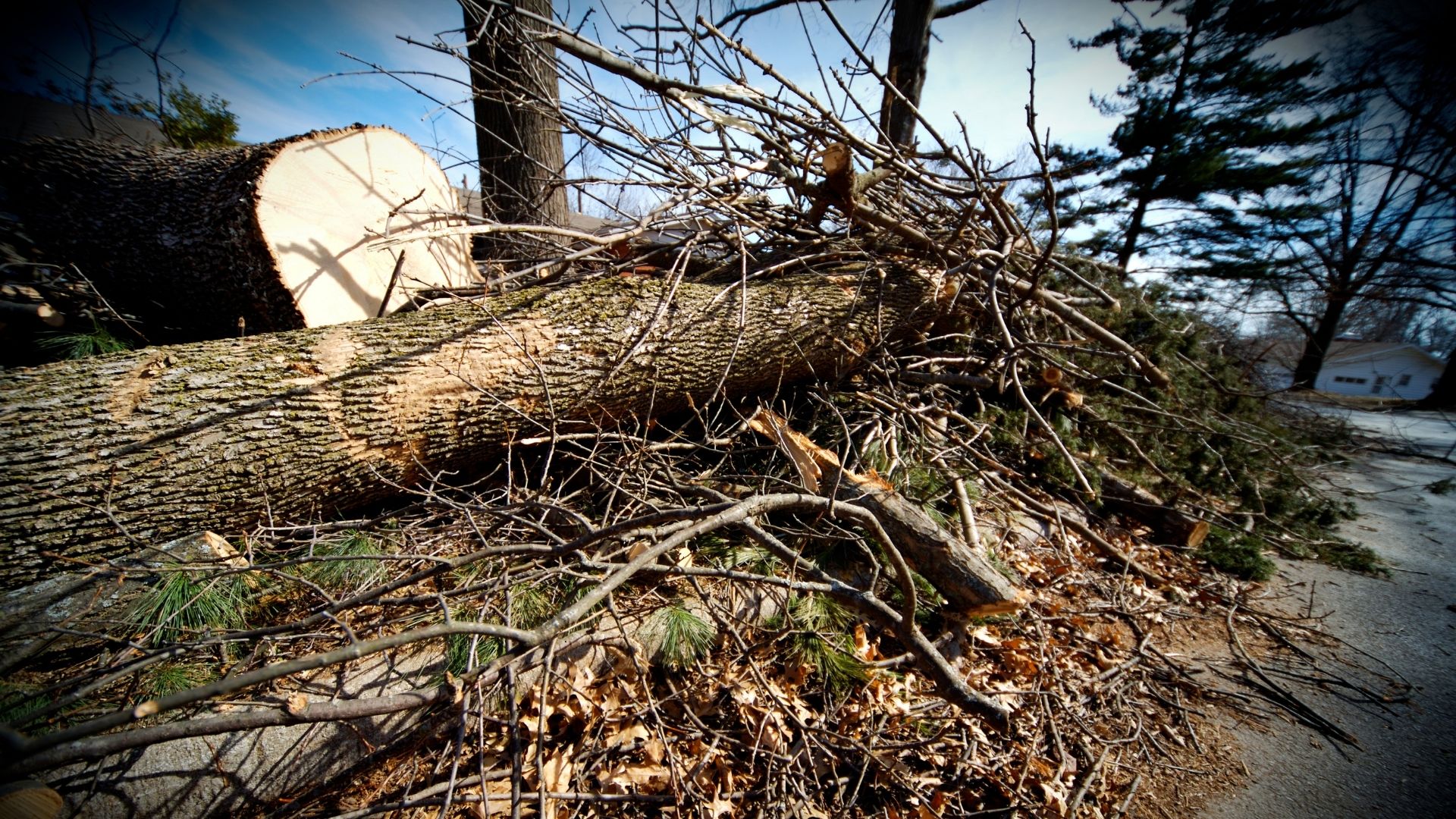
Some garden material is too heavy or bulky for standard collection. Large branches, tree stumps, root balls, palm trunks, and soil mixed with garden waste usually need a separate truck, a skip bin or a depot drop-off.
Mixed Storm Debris
Storms rarely leave things neatly sorted. Fence palings, treated timber, broken outdoor furniture, roofing materials, bricks, tiles, concrete and general rubbish can all end up in one pile, but different materials may need different bins. Bricks and concrete can often be recycled when kept apart from general rubbish, and mixing materials in a single bin can change the waste classification and cost.
Hazardous or Problem Materials
Some materials cannot go in any standard bin, regardless of size. Asbestos, fibro sheeting, paint, chemicals, oils, gas bottles, fire extinguishers and batteries all need specialist disposal. Chemicals and dislodged pool items should be taken to the Penrith Community Recycling Centre or held for Council Chemical CleanOut days.
Can Storm Debris Go in Your Penrith Household Bins?
Penrith uses a three-bin service catering to different waste types. Your green-lidded FOGO bin handles food scraps and small amounts of clean garden waste, so a few handfuls of leaves after storms may fit.
Household bins are not designed for building materials, soil, or large branches, and contamination affects the entire collection round, so for anything beyond a small tidy-up, you will need another pathway.
Will Penrith Council Collect Storm Damage?
Penrith City Council offers four free booked bulky waste collection rounds per calendar year through the Collect and Return service, excluding public holidays.
Each collection allows up to two cubic metres, roughly the same as a standard box trailer. Bookings and requests must be made through the council’s online services portal, and collected items must be placed correctly on the confirmed date.
The service does have strict limits, though, and the council does not accept many of the materials that turn up after storms. Bricks, tiles, concrete, rocks, soil, fence palings, glass, tree stumps, tree roots and other oversized items are all excluded. Placing unbooked waste on the kerbside can also result in significant fines, so it is worth checking what is and is not accepted before relying on this service.
During severe storms, council sometimes provides targeted assistance beyond the standard bookings. For current details on what is available, contact the council through their office or the online services portal. The location, address and resources for all local council services are listed on the Penrith City Council site.
When a Skip Bin Makes More Sense After Storms
When the debris volume is too much for your household bins, a skip bin is your best solution. Getting storm debris off your property quickly is especially important when more bad weather is on the way.
Consider hiring one when you have large piles of branches or fallen trees, when the clean-up involves a mix of outdoor debris and general rubbish, or when you need to get rid of everything before more storms develop. For local businesses, contractors, employees, and site managers across the Nepean area, one delivery and one collection can make the difference between a process that drags on and one completed in a day.
Matt’s Skip Bins supplies Penrith and surrounding suburbs, including Emu Plains, Kingswood, Jamisontown, St Marys, Glenmore Park and Cranebrook, with bins for green waste, mixed building waste, dirt and clay, roof tiles and general waste. Our bins range from two to ten cubic metres, giving you the right equipment, space and capacity for most residential and commercial clean-ups after storms.
Which Bin Type Suits Your Storm Clean-Up?
Choosing the right type before you book avoids contamination charges. Note that loading the wrong materials can mean extra fees or a rejected collection.
| Storm debris type | Likely bin type | Notes |
| Leaves, branches, prunings | Green waste | Keep soil, rocks and treated timber out |
| Soil, clay or mud | Dirt and clay | Must be clean and kept apart from other items |
| Broken fencing, timber, outdoor rubbish | General or mixed building waste | Depends on materials |
| Bricks, pavers, concrete, roof tiles | Mixed building waste or roof tiles | Keep apart where possible so material is recycled |
| Mixed clean-up load | General or mixed building waste | Ask before booking |
| Asbestos, fibro or hazardous material | Specialist disposal only | Never place in a standard bin |
If your clean-up includes paint, oils, chemicals, gas bottles or fire extinguishers, these cannot go in any standard bin and will need to be disposed of separately. Not sure which bin type suits the rest of your load? Matt’s Skip Bins can help you work that out before you book.
What About Asbestos, Fibro or Suspicious Building Materials?
Storms can cause serious damage to older sheds, fences, eaves, cladding and roofing. In Penrith, many homes built before the 1990s may still contain asbestos. If storms have broken apart any older structure on your site, proceed with caution.
Do not risk breaking, cutting, sweeping or dry-handling suspected asbestos. NSW guidance states that asbestos can only be taken to a licensed landfill, and that using a licensed contractor is strongly recommended. For larger household loads, notification to the NSW EPA may also be required. Do not let progress on the clean-up put air quality and safety at risk.
Should You Use the Recycling Depot Instead?
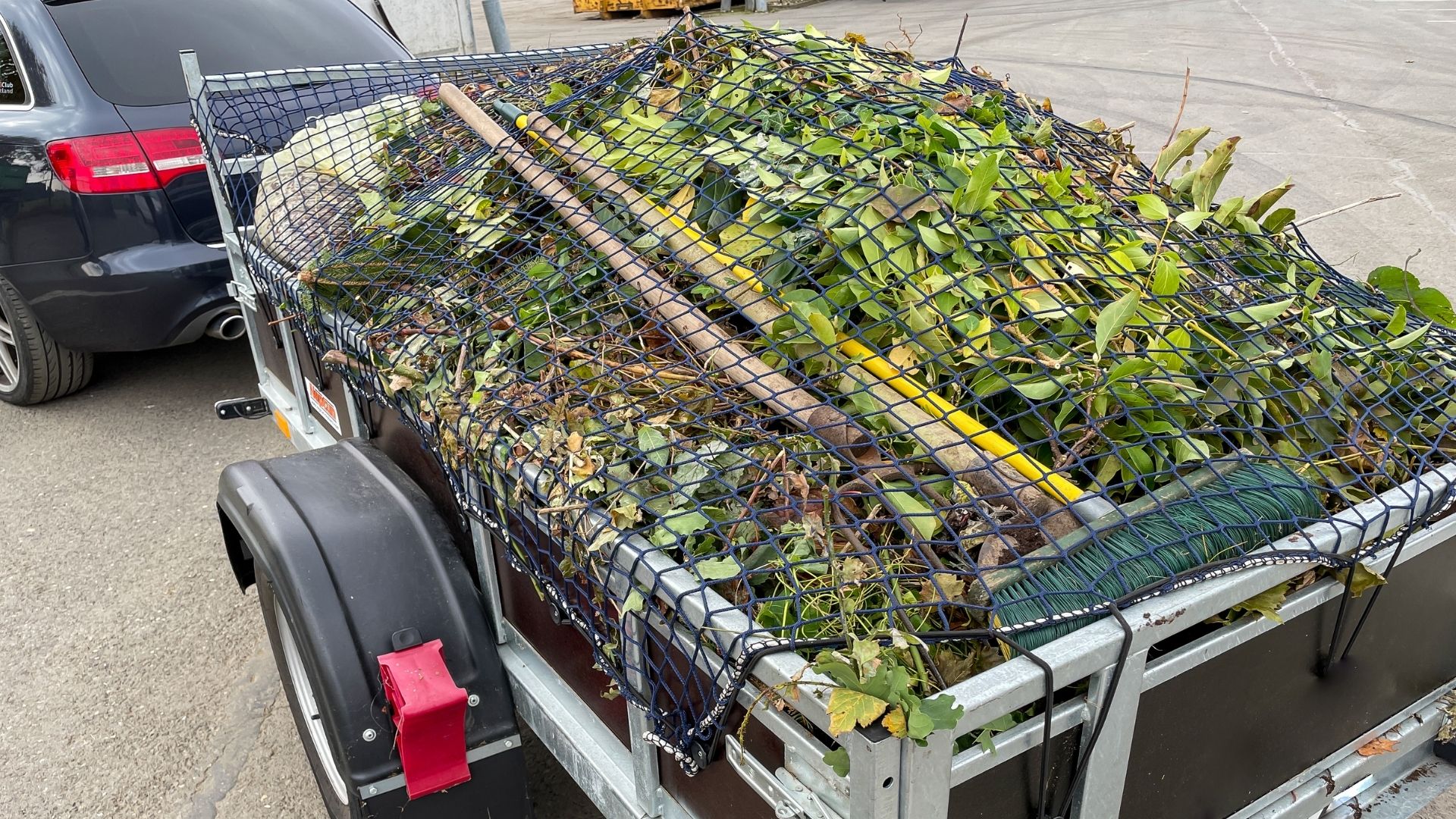
If you have a ute, a car trailer, or a manageable load, a depot drop-off may save you money. Matt’s Penrith recycling depot at 37 Leland St accepts building materials, green waste, dirt, metals and general waste. The site accepts cars, utes, car trailers, and rigid trucks, with pricing based on cubic metres.
A skip bin is the better choice when loading a trailer is not practical or when you want a bin dropped at your driveway and collected on a set date. For smaller clean-ups after storms, the depot is a good local option.
How to Prepare for a Skip Bin After Storms
A bit of preparation before the bin arrives goes a long way. Cut branches to manageable lengths where practical, and keep green waste apart from soil, rocks and rubbish so each bin stays within its accepted waste type. Having the right tools on hand, like loppers, a rake and a wheelbarrow, makes the loading process easier and safer.
Before you book, check driveway space and access on your site. The driver needs enough room to place the bin safely, and you need enough room to load it without blocking access for neighbours or vehicles. If the bin needs to sit on council land, you may need a permit before the delivery date.
When loading, place heavy items low and spread them evenly across the base. Keep all hazardous items out, and do not overfill past the rim. Bins in good condition are collected on schedule, so treat the equipment properly. It is also worth clearing any stormwater drains around your driveway while you are at it, as leaves and sticks left in drains after storms can cause localised flooding across the site.
Quick Checklist for Storm Clean-Up in Penrith
- Check the site for safety hazards first, including fallen powerlines, unstable trees and sharp objects
- Separate green waste from mixed materials and keep soil, rocks and rubble out of green waste bins
- Do not place asbestos, paint, chemicals or gas bottles in any normal bin
- Use household bins only for small, accepted items
- Check bulky waste collection limits and exclusions before relying on that service
- Use a skip bin for larger or mixed clean-ups where loading by hand into bags or boxes is not practical
- Use the recycling depot for suitable drop-off loads
- If you are unsure which waste type to book, ask Matt’s Skip Bins before ordering
Ready to Clear Storm Damage in Penrith?
Clean-up after storms is always easier when materials are sorted from the start. A few bags of leaves from a small yard in Kingswood might fit in your green bin, while a large fallen tree and damaged fencing in Glenmore Park will likely need a skip bin or depot drop-off. Choosing the right bin and loading it correctly saves time and money.
Matt’s Skip Bins helps Penrith locals choose between green waste, general waste, mixed building waste, dirt and clay, and roof tiles bins. Delivery and collection cover Penrith and the surrounding suburbs. Book a skip bin online and choose the right type for your clean-up, or call Matt’s Skip Bins for advice.
If you have a trailer load ready, the Penrith recycling depot at 37 Leland St accepts green waste, building materials, dirt, metals and general waste.
Frequently Asked Questions
Can I Put Storm Debris in My Green Bin in Penrith?
Small amounts of clean organic material, like leaves and twigs, can go in your FOGO bin. Large branches, mixed materials, soil, rocks, and building waste require a skip bin, bulky waste collection, or depot drop-off.
Will Penrith Council Collect Storm Debris?
Bulky waste collection may help with some items, but there are limits and exclusions. Bricks, tiles, concrete, soil, fence palings and tree stumps are not collected. A skip bin or depot drop-off is usually more practical for larger clean-ups.
What Should I Do With Storm-Damaged Fibro or Asbestos?
Never place asbestos or fibro in a normal bin. Contact a licensed removal contractor or approved facility. Have suspicious material tested before you handle or move it.
What Size Skip Bin Do I Need After Storms?
A small garden clean-up may suit two to three cubic metres. Larger fallen trees or mixed rubbish may need six to ten cubic metres. Matt’s Skip Bins can advise on the right size.
How Do I Get Free Council Clean-Up in Penrith?
Penrith residents on the Collect and Return service can book up to four free bulky waste collection rounds per calendar year through the online services portal. Each allows two cubic metres, and date restrictions, including public holidays, apply. Items are collected from the kerbside.
What Can Penrith Council Not Pick Up?
Bulky waste collection does not accept bricks, tiles, concrete, rocks, soil, fence palings, glass, tree stumps, tree roots, loose items over 1.5 metres or hazardous materials. These need a licensed facility or specialist removal so they are recycled or disposed of safely for the environment.

