

 CART
CART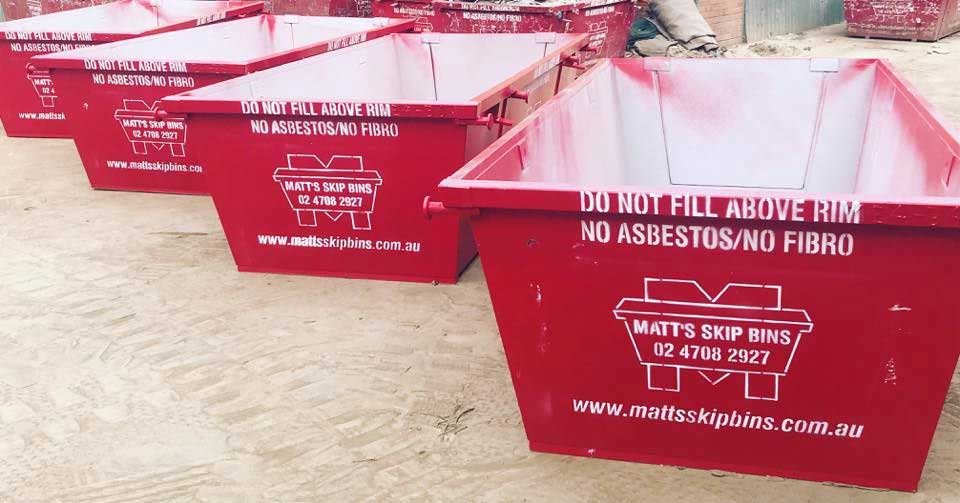
02 May • 5 min Read The Ultimate Guide to De-Cluttering
Decluttering your home can feel overwhelming when you’re staring down years of accumulated stuff. Wardrobes crammed with clothes you haven’t worn, kitchen drawers full of gadgets you forgot you owned, storage spaces packed with boxes you haven’t opened since you moved in. It builds up slowly, and before you know it, there’s so much clutter that the whole job feels too big to tackle.
The good thing is it doesn’t have to be done in a weekend. With a simple plan, some practical systems and a bit of momentum, you can work through it at your own pace and end up with a home that feels noticeably calmer and more spacious.
Start Small and Build Momentum
The biggest mistake people make is trying to declutter their whole home in one hit. That’s how you end up exhausted by lunchtime with stuff spread across every surface, and nothing actually finished.
Instead, start with one room, or even one area within a room. A single drawer, a bathroom cabinet, and one shelf in the pantry. Pick something small enough that you can complete it in a few minutes, see the result, and use that quick win to build momentum for the next task. Once you’ve knocked over a couple of easy ones, you’ll have the confidence and energy to tackle the bigger spaces.
Sort Everything Into Categories
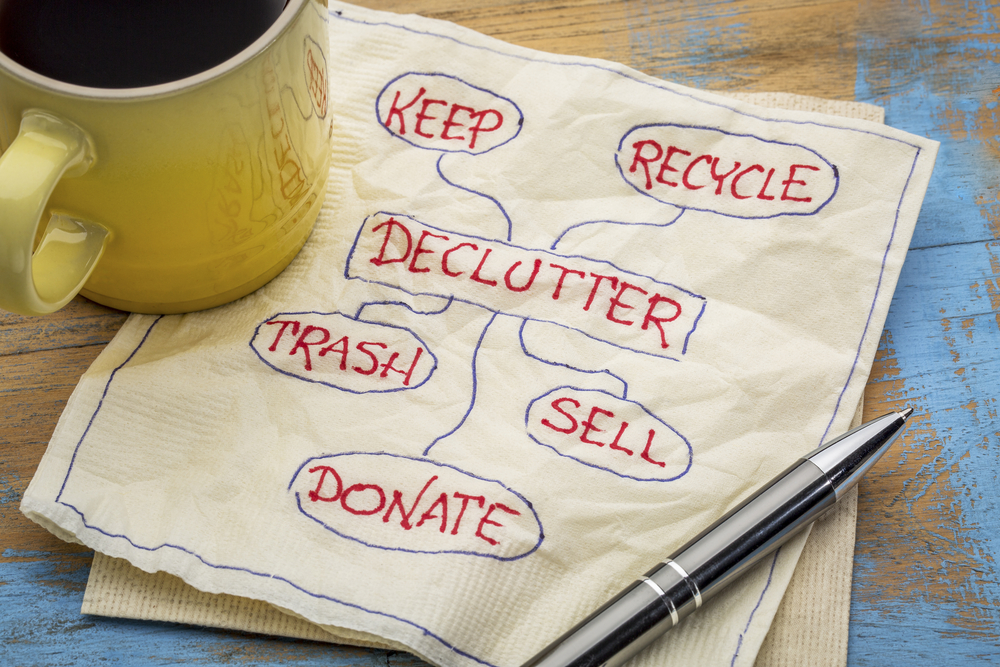
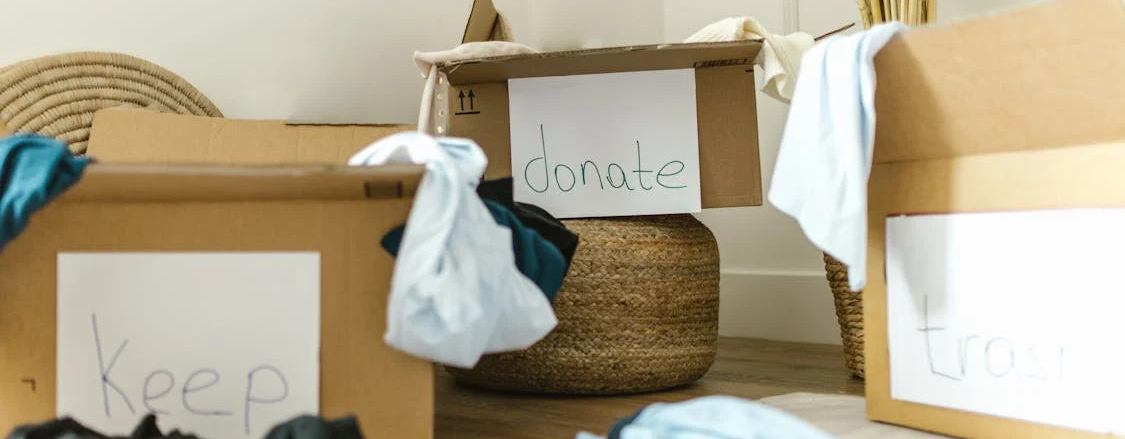
As you work through each area, sort items into clear categories: keep, donate, sell, or toss.
Having a donation box and a trash bag on hand from the start makes this process much faster, because you’re making decisions and acting on them in the same step rather than creating more piles to deal with later.
For each item, ask yourself whether it serves a purpose in your current life or genuinely sparks joy. If you haven’t used it in over a year and you’d forgotten it existed, that’s a pretty clear sign it can go. Sentimental items are always the hardest, so save those for last when you’ve already built some momentum and feel more comfortable letting things go.
Work Through the Home Room by Room
The best way to declutter is to go room by room in your home.
Kitchen
Kitchens accumulate more stuff than almost any other room. Start with the drawers and cabinets, pulling everything out and only putting back what you actually use.
Duplicates, broken gadgets, mismatched containers with no lids, chipped mugs you’ve been keeping “just in case”. Toss or donate the lot.
Clear the countertops of anything that doesn’t belong there. A clutter-free bench makes the whole kitchen feel bigger and is easier to keep clean day to day.
Wardrobe and Closet
Go through your clothing one category at a time: tops, pants, dresses, shoes, coats. If something is stained, worn out, doesn’t fit or hasn’t been worn in over a year, it’s time to move it on. Bag up anything in decent condition for the op shop and toss anything that’s past it.
Once you’ve pared things back, use drawer dividers or small containers to keep smaller items like socks, scarves and accessories organised so they don’t end up in a messy pile again.
Bathroom
Bathroom cabinets are notorious for holding onto expired products, half-used bottles and things you bought once and never touched again. Pull everything out, check dates, and be ruthless. Keep only what you’re actively using. A couple of small baskets or containers can help keep what’s left tidy and accessible.
Living Areas
Shelves, side tables, and surfaces tend to collect decorative items, books, paperwork and general knick-knacks over time until every flat surface is covered. Pare back to the things you genuinely love or use, and find proper homes for the rest.
If papers pile up on the dining table or kitchen bench, set up a simple system: a folder for important papers, a spot to deal with mail, and a regular habit of sorting through it weekly so it doesn’t build up again.
Kids’ Rooms
If you have young kids, toys and stuffed animals have a way of multiplying. Get the kids involved where you can, but don’t be afraid to quietly move on to things they haven’t played with in months. Broken toys go straight into the bin. Outgrown clothes and school papers can be sorted the same way as your own.
Garage, Shed and Storage Areas
These are the dumping grounds. The spaces where things go to be “dealt with later” and then sit untouched for years. Work through it methodically, sorting into the same categories as the rest of the house. Old paint and chemicals need to go to your local council drop-off point. Broken tools, rusted equipment and anything you genuinely can’t see yourself using again can go.
For a big garage or shed cleanout, you’ll likely end up with more waste than your kerbside bin can handle. A skip bin makes this part of the job much simpler. We’ve got sizes from 2 cubic metres up to 10, so even a smaller decluttering project is covered.
Deal With Paper and Digital Clutter
Paper clutter is one of those things that sneaks up on you. Mail, receipts, bills, school papers, and old paperwork you’re not sure whether to keep. Set up a simple filing system for important papers (tax documents, insurance, contracts) and shred or recycle the rest. Going forward, switch to digital statements and bills wherever you can to reduce what’s coming into the house in the first place.
While you’re at it, your digital life probably needs a declutter, too. Unsubscribe from email lists you never read, clear out your inbox, and delete old files and photos you no longer need. It takes a few minutes, and the difference is noticeable.
Create Systems to Stop It Coming Back
Decluttering is only half the job. Without some simple habits in place, the stuff creeps back in within a few months. A few things that make a huge difference:
The one in, one out rule is the simplest system going. Every time something new comes into the house, something else has to leave. It keeps the overall volume in check without requiring any ongoing effort.
Designated spots for everything. If something doesn’t have a home, it ends up on the nearest surface. Baskets, containers, hooks, shelves, labels. Whatever works for your space, the point is that everything belongs somewhere and goes back there when you’re done with it.
Regular mini declutters. Rather than letting things build up until you need another big cleanout, spend a few minutes each week tidying one small area. A drawer, a shelf, the bathroom cabinet, and a spring clean every few months. It’s far more manageable than waiting until the whole house needs doing again.
Donate, Sell or Recycle What You Can
Not everything needs to end up in the bin. Clothes, furniture, books, toys and household items in decent condition can go to your local op shop or be sold through Marketplace or Gumtree. Some charities will even arrange a pickup from your home, which makes it easier again.
For anything genuinely past its useful life, or for large items and bulky waste that won’t fit in a standard bin, a skip is the answer. Having one on the driveway while you work through the house means you can toss things as you go rather than ending up with bags and piles everywhere. You can book online or give us a call on 02 4708 2927 if you’re not sure what size would suit.
Keep Going at Your Own Pace
The decluttering process doesn’t have to happen all at once. Some people prefer to smash it out over a weekend, others work through one area a week over a couple of months. Either approach works. What matters is that you keep the momentum going and don’t stall out halfway through.
It can feel hard to let go of things, especially items with sentimental value or things you spent good money on. But holding onto stuff you don’t use or need doesn’t add anything to your daily life. A calmer, tidier home with more usable space is worth far more than a cupboard full of things you’ve been avoiding dealing with.

