

 CART
CART
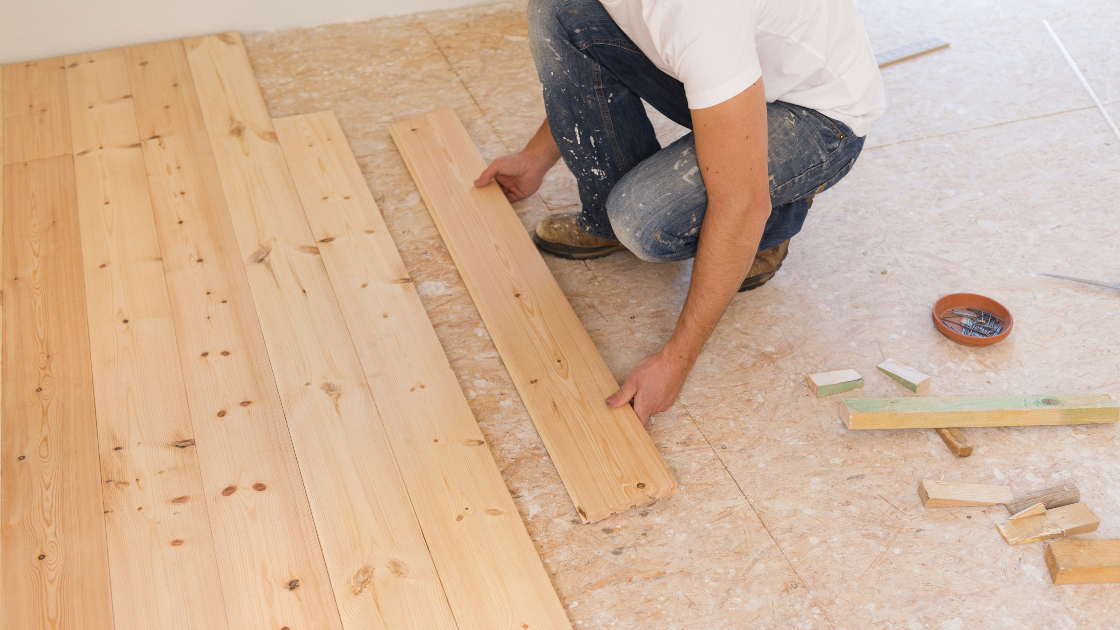
Sydney’s got a lot of older housing stock, and that shapes what actually comes out of a renovation here compared to somewhere with newer builds. Pull apart an old patio and you might find broken concrete or bricks underneath that have been there since the place was built.
Strip back a bathroom or kitchen in a home from the 60s, 70s, or 80s, and you’ll often hit mouldy or damaged plasterboard, sometimes fibrocement sheeting, sometimes materials you weren’t expecting to find at all.
Knowing what you’re likely to end up with, and where each type needs to go, makes the whole job easier to plan for before the skip even arrives.
Waste by Renovation Type
What comes out of a renovation depends heavily on what part of the house you’re working on. Here’s a quick guide to what to expect.
| Renovation Type | Typical Waste | Notes |
| Kitchen | Old cabinetry, benchtops, tiles, appliances | Timber cabinets are often recyclable, laminate benchtops usually aren’t |
| Bathroom | Tiles, old fixtures (toilets, basins, vanities), plumbing offcuts | Older homes may reveal mouldy plasterboard or fibrocement behind wet areas |
| Full renovation or extension | Everything above, plus old flooring, roofing material, excavation waste | Waste tends to arrive in stages rather than all at once |
Kitchens mostly produce a predictable pile of cabinetry, benchtops, tiles, and appliances if they’re being swapped out. Timber cabinets can usually be pulled apart and recycled, but laminate benchtops are a different story; once they’re off the base cabinet, there’s not much that can be salvaged from the sheet itself.
Bathrooms lean heavier on tiles, old fixtures, and whatever comes out during the plumbing rough-in. If the bathroom’s original to an older build, it’s worth being prepared for plasterboard that’s gone soft or mouldy behind the tiles, particularly around the shower recess where moisture’s had years to do its damage. Some older homes also used fibrocement sheeting behind wet areas, which is worth checking before demolition goes any further.
Full renovations and extensions bring everything above plus the bigger-ticket items, old flooring, roofing material if there’s structural work involved, and excavation waste if you’re digging new footings or reworking drainage. This is where bin sizing catches people out most often, since the waste doesn’t show up in one go. Demolition creates the first wave, fit-out offcuts create a second one later, so it’s worth planning for both rather than judging your bin needs off the first skip alone.

Excavation and Ground Waste
Any renovation involving digging, whether that’s new footings, an extension, a pool, or landscaping work, will generate excess dirt and clay that needs somewhere to go. This is often overlooked when people are budgeting for skip bins, since it’s easy to focus on the “building” waste and forget the ground gets disturbed too. A skip bin can take care of this alongside your other waste, though it’s worth mentioning to your provider upfront since soil and clay are heavier than most general waste and can affect which bin size makes sense.
What’s Recyclable and What Isn’t
| Recyclable | General Landfill Waste |
| Timber | Broken tiles |
| Metal | Old carpet |
| Bricks and concrete | Damaged plasterboard |
| Mixed materials that can’t be separated |
Timber, metal, and bricks are the easiest materials to recover. Hiring separate skips for different waste types, one for bricks and concrete, one for timber, keeps things sorted from the start rather than all getting mixed together and sent straight to landfill. It’s a bit more organisation upfront, but it means more of your renovation waste actually gets a second life instead of ending up buried.
Everything in the landfill column isn’t a failure on your part; some materials genuinely don’t have a recycling pathway yet. It’s just worth knowing which is which so you’re not trying to separate things that don’t need it.
It’s worth starting a rough list of what you expect to get rid of before calling around for quotes. Renovations rarely produce just one type of waste, and having a clear picture of what’s coming out, tiles here, timber there, some plasterboard, maybe some excavated soil, makes it much easier for a skip bin provider to recommend the right size and the right number of bins.
Asbestos and Fibrocement
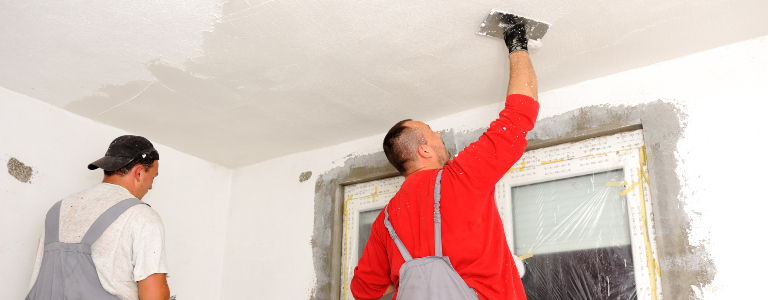
Given how much of Sydney’s housing stock predates the 1990s, asbestos and fibrocement turn up in renovations more often than people expect, particularly in bathrooms, laundries, and old eaves or fencing. This material can’t be mixed in with general waste or a regular building waste skip. If you’re removing plasterboard, cladding, or anything you suspect might contain asbestos, it needs to go into a separate asbestos-only bin, not your general renovation bin.
It’s fairly common for people to only realise they’re dealing with asbestos partway through demolition, especially in homes that have had partial renovations over the decades where it’s hard to know what’s original and what’s been added later. If that happens, the safest move is to stop work in that area and get it assessed before continuing, rather than assuming it’s fine and disposing of it with everything else. Getting a second, asbestos-only bin on-site alongside your general waste bin is a normal part of a lot of Sydney renovations; it’s not an unusual add-on, just a separate stream that needs its own container.
Keeping Your Site Organised
The easiest way to keep a renovation site manageable is sorting waste as it’s generated, rather than letting everything pile up together to deal with later. Separating recyclable materials from general waste as you go saves time down the track and keeps the site safer to move around while work’s still underway; loose tiles and broken timber are a genuine trip hazard once they start piling up.
If you’re working with a builder or tradesperson, it’s worth having a quick conversation early on about which bin different waste types should go in, especially if you’ve got more than one skip on-site. A few minutes of clarity at the start avoids a mixed-up bin later that costs more to sort out or gets rejected at the tip.
Ready to Sort Your Renovation Waste?
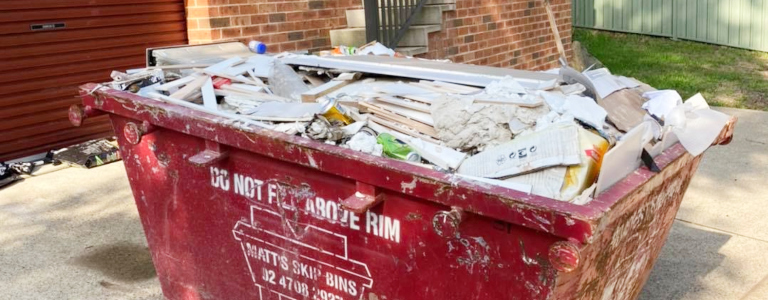
Once you’ve got a sense of what your renovation is likely to produce, choosing the right skip bin setup gets a lot easier. Head to our guide on skip bin sizes for renovations to work out what fits your project, or get in touch and we’ll help you sort out the right combination of bins, including a separate asbestos bin if you need one, before the job gets underway.

