

 CART
CART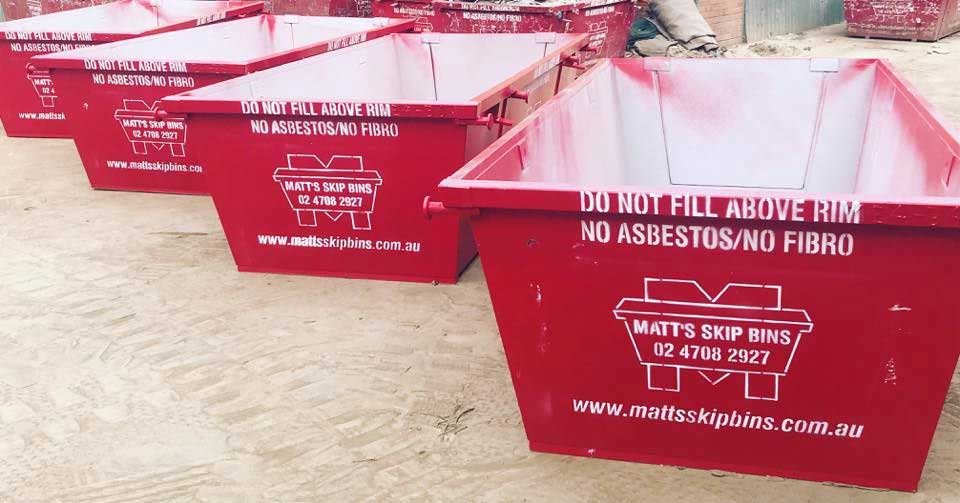

20 Jul • 4 min Read How To Sort Building Waste Before Visiting A Recycling Depot
If you’ve got a ute or trailer full of renovation rubble, timber offcuts and broken tiles, working out what goes where before you leave the driveway makes the whole process easier. Most building waste should be grouped into separate material types before you load up. That means creating distinct piles for brick and concrete, timber, gyprock, metals, clean dirt or clay, and green waste. Hazardous or restricted items should be kept completely out of the load.
Mixed building waste is accepted at some facilities, but sorting before you arrive reduces contamination, speeds up the drop-off process and helps you avoid extra disposal costs.
If you are heading to a recycling depot in Penrith or Western Sydney, a bit of preparation beforehand saves time at the gate.
Why Sorting Building Waste Matters Before You Arrive
Construction and demolition waste is one of the biggest waste streams in Sydney. When recyclable materials like concrete, brick, metal and timber arrive at a recycling centre mixed through with soil, food scraps or chemical containers, the entire load can be reclassified. That often means higher disposal costs and more material heading to landfill.
Sorting before you leave helps depot staff identify materials faster, keeps recyclable items clean enough for recycling, and makes unloading safer. It also means you are less likely to be turned away or hit with unexpected fees.
Start By Separating Waste Into Main Material Groups
| Waste Type | Examples | Keep Separate From | What To Do |
| Brick, Concrete, Tiles and Rubble | Bricks, concrete, pavers, besser blocks, roof tiles, floor tiles, slate | Soil, green waste, plastics, paint, chemicals | Group together. Clean masonry can be processed into aggregate or road base. |
| Timber and Wood Offcuts | Timber offcuts, framing timber, pallets | Treated timber, painted wood, old sleepers, soil, food waste | Separate recyclable timber from treated or painted wood. Treated timber cannot be mulched and needs different handling. Check with the depot if unsure. |
| Gyprock and Plasterboard | Plasterboard, wall sheets | Wet waste, liquids, paint tins, food packaging | Keep dry and grouped. Contaminated gyprock usually gets reclassified as general waste, which costs more to dispose of. |
| Metals | Steel, aluminium, copper, fixtures, fittings, metal offcuts | General rubbish | Group together and keep visible in the load. Contain sharp metal safely for transport. |
| Dirt, Clay and Excavation Material | Clean soil, clay from landscaping, trenching or excavation | Rubble, grass, roots, plastic, general rubbish | Keep clean. Dirt mixed with other materials changes its classification and may not be accepted as clean fill. |
| Green Waste | Grass clippings, leaves, branches, pruning waste, garden waste | Soil, rocks, treated timber, plastic bags, building rubble | Separate on the ground before loading. Pulling out a garden bed often creates both green waste and dirt, so separate them. |
What Should Not Go Into A Building Waste Load?
Some items should never be included in a building waste load. A licensed professional must handle asbestos and suspected asbestos sheeting, and it should never be broken, mixed, or loaded alongside other waste. If you find something you suspect is asbestos during a renovation, stop work and get advice before touching it.
Other restricted items include paint, oils, chemicals, cooking oil, gas bottles, fire extinguishers, batteries (including embedded batteries from electronics and mobile phones), white goods like old washing machines, and e-waste. These are classified as hazardous waste or household problem waste and should go to a Community Recycling Centre. Household quantities are usually limited to about 20 kilograms per drop-off at these sites.
Food waste, nappies, soft plastics, polystyrene, cardboard boxes, glass bottles, aluminium cans, textiles and clothing do not belong in a building waste load either. These go in your household bins or the appropriate council service.
How To Load Your Ute, Trailer or Truck For Easier Drop Off
Sort on the ground before loading if possible. Put heavier materials like bricks, concrete and tiles at the bottom and keep material groups in sections. Use tarps, tubs, buckets or bags for smaller offcuts and loose items.
Do not bury prohibited items underneath other waste. Securely cover loads during transit to comply with NSW road laws and do not overload above safe transport limits. Check accepted vehicle types and site access conditions before you leave.
Common Sorting Mistakes That Can Cause Problems
Common issues include mixing soil with green waste, hiding paint tins or other chemical containers in general waste, putting suspected asbestos into a mixed load, combining treated timber with clean, recyclable timber, and loading everything randomly, making valuable materials hard to recover.
Using council household waste services for construction rubble can also result in fines. Waste classification must follow the NSW EPA Waste Classification Guidelines, so getting it right before you arrive avoids complications.
Should You Visit A Recycling Depot Or Hire A Skip Bin?
A recycling depot drop-off works well when the waste is already loaded, you have a ute, trailer or rigid truck, the volume is manageable, and you are close to Penrith or Western Sydney.
Skip bin hire may be the better plan when waste is still being generated over several days, the project is large, multiple trades are involved, or you do not want to load and transport everything. A mixed building waste bin suits bigger renovation or demolition jobs where sorting every item on site is not realistic.
Building Waste Sorting Checklist Before You Leave
Run through this before you head to the depot.
- Brick, concrete and rubble are separated from other materials
- Clean soil kept away from rubble and green waste
- Timber is grouped together, with treated timber set aside
- Metals easy to identify and recover
- Paint, chemicals, liquids, gas bottles and batteries removed from the load
- Checked for asbestos or suspected asbestos
- Food waste, packaging and household rubbish kept out
- Load is safe, covered and tied down
- Accepted vehicle types and current opening hours confirmed, including public holidays
Visit Matt’s Skip Bins Penrith Recycling Depot
Matt’s Penrith Recycling Depot is a council-approved facility for dropping off building, green, general and dirt or clay waste in Western Sydney. The site serves both trade and residential customers.
Not sure whether your load is suitable? Check the Penrith Recycling Depot page for current details on items accepted and site access. Cleaning up a larger site? Book a mixed building waste skip bin online and let the team handle collection. If your load includes restricted items such as asbestos, chemicals, or paint, contact the team first so they can point you in the right direction.

